Crafting Enduring Luxury at Sea and in the Sky

Today we explore circular fit-out strategies for superyachts and private jet cabins, revealing how regenerative design, modular engineering, and material stewardship can elevate comfort while reducing waste. Expect practical methods, inspiring stories, and proven pathways that respect certification demands, ownership expectations, and the unique constraints of yachting and aviation without compromising elegance, performance, or personal expression.

Foundations of a Regenerative Fit-Out

Design for Disassembly as a Creative Constraint

Instead of hiding fasteners and fixing everything permanently, consider reversible joints, access panels, and intelligent separation of layers. When upholstery, veneers, and substrates detach cleanly, components can be repaired, upgraded, or repurposed without collateral damage. This approach rewards craftsmanship, accelerates refits, and unlocks second lives for high-value fixtures far beyond a single voyage or flight.

Durability, Repairability, and the Beauty of Patina

Select finishes that age gracefully under marine humidity, salt exposure, pressurization cycles, and frequent cleaning. Replace disposable perfection with maintainable elegance: modular carpets, repairable leathers, and coatings designed for touch-up instead of full replacement. By embracing patina intelligently, owners keep spaces authentic, service crews work smarter, and the interior’s narrative deepens with every mile traveled.

Standardized Interfaces Across Yacht and Jet Environments
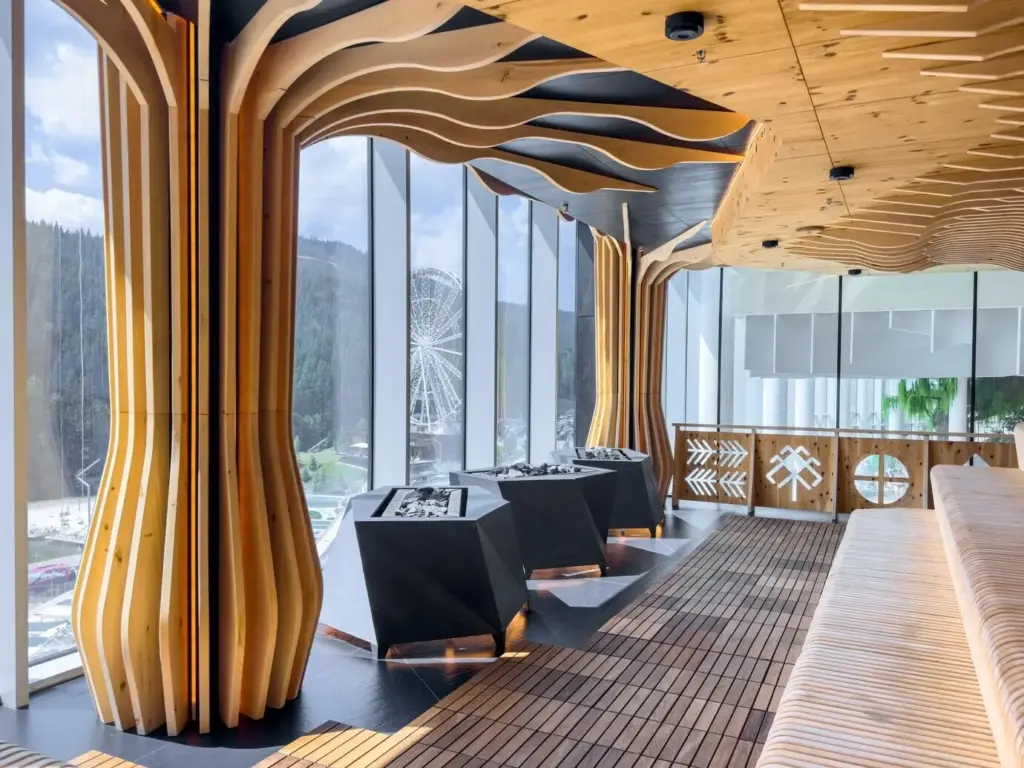
Create a common language for attachment points, wiring looms, and service access across cabins and suites. When monuments, sidewalls, and freestanding elements share predictable interface geometry, upgrades become painless. Technicians swap components quickly, suppliers deliver precision-fit solutions, and owners enjoy transformative refreshes mid-season, avoiding lengthy yard time while safeguarding both safety cases and aesthetic ambitions.

Materials That Respect Airworthiness and Seaworthiness

Circular interiors rely on materials that are simultaneously beautiful, compliant, and recoverable. Lightweight alloys, recycled carbon, bio-based foams, and low-emission textiles must meet stringent fire, smoke, and toxicity requirements. With careful selection and certification pathways, it is possible to merge elegance and responsibility, ensuring parts can be remanufactured, reupholstered, or recycled without sacrificing safety, weight targets, or tactile luxury on every passage and flight.

Modular Interiors and Reversible Assembly

A modular fit-out turns refits into orchestrated exchanges rather than demolition projects. By grouping functions into serviceable modules and using quick-release hardware, crews perform upgrades between charters or flights. Components can migrate between zones, be refurbished offsite, and return configured for new missions. This approach sustains freshness, delights guests, and strengthens sustainability credentials with minimal disruption and measurable efficiency gains.

Lifecycle Economics and Smarter Procurement

Leasing, Buy-Back, and Service-Based Partnerships

Shift from one-off purchases to agreements where suppliers retain responsibility for material recovery and refurbishment. Such partnerships ensure consistent quality while distributing costs across service life. Owners benefit from predictable refresh cycles, and vendors gain incentives to design durable, upgrade-friendly components, creating a virtuous loop that rewards both beauty and longevity in demanding operating environments.

KPIs that Matter for Decision-Makers

Measure waste diversion, component reuse rates, weight stability after upgrades, downtime saved, and client satisfaction post-refit. Include maintenance hours avoided and spare inventory reductions to illuminate hidden value. When leadership sees clear metrics tied to operational reality, circular decisions become standard practice rather than idealistic experiments, strengthening both brand credibility and day-to-day performance at sea and in the sky.

Supplier Collaboration and Assured Quality Over Time

Invite suppliers to co-design modules, test disassembly procedures, and align on documentation formats from the outset. Shared prototypes uncover failure modes before installation, and agreed standards lock in compatibility for years. This collaboration reduces warranty disputes, accelerates approvals, and fosters a network dedicated to recoverable luxury that continues to impress guests through multiple refresh cycles and ownership transitions.

Approvals, Testing, and Documentation Without Drama

Progress relies on early engagement with authorities, classification societies, and test labs. By validating materials and assemblies upfront, teams avoid last-minute redesigns and waste. Robust documentation, from flammability reports to installation manuals, ensures safe, repeatable outcomes. When approvals integrate with digital passports, refits stay nimble, and sustainability objectives align seamlessly with safety-critical expectations across both maritime and aviation contexts.

Owner Experience, Storytelling, and Lasting Delight

Circular interiors are not only responsible; they deepen the emotional bond between travelers and craft. Tactile choices, quiet comfort, and meaningful provenance elevate every journey. Curated narratives reveal how materials were saved, reborn, or reimagined, inviting owners and guests into a culture of stewardship. By celebrating longevity, the cabin’s character grows richer with every season and horizon crossed.
Zilexoxafenuxe
Privacy Overview

This website uses cookies so that we can provide you with the best user experience possible. Cookie information is stored in your browser and performs functions such as recognising you when you return to our website and helping our team to understand which sections of the website you find most interesting and useful.